Where to find used RVs from local dealers
Where to Find Used RVs From Local Dealers
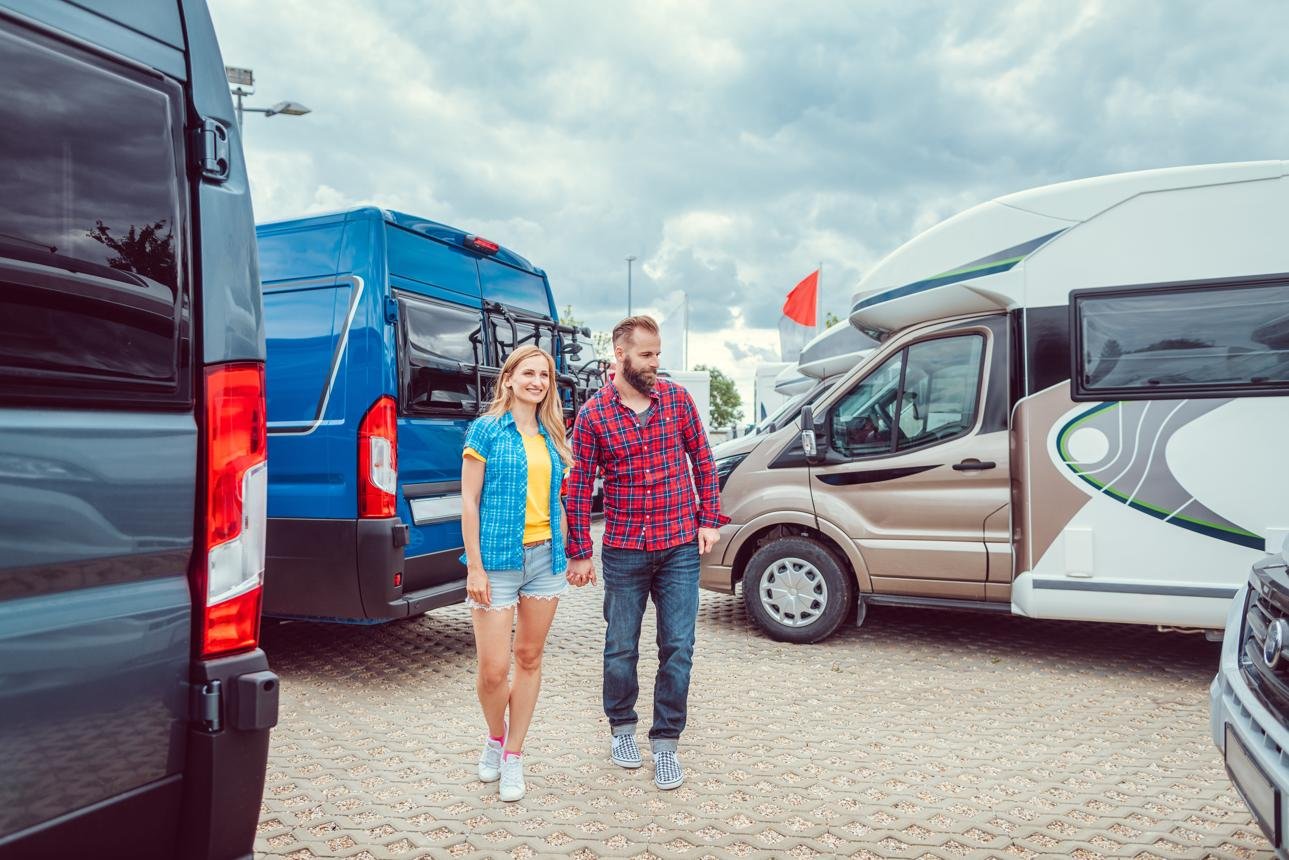
The best place to find a used RV is through a local, established dealership that inspects trade-ins, offers financing, and stands behind the sale with an on-site service department. Local dealers typically have more accountability than private sellers or online marketplaces, since they have a physical location, a reputation to protect, and a service team available if something needs attention after the purchase. Checking dealer inventory before browsing private listings usually saves buyers time and reduces risk.
Why Should You Buy a Used RV From a Local Dealer Instead of a Private Seller?
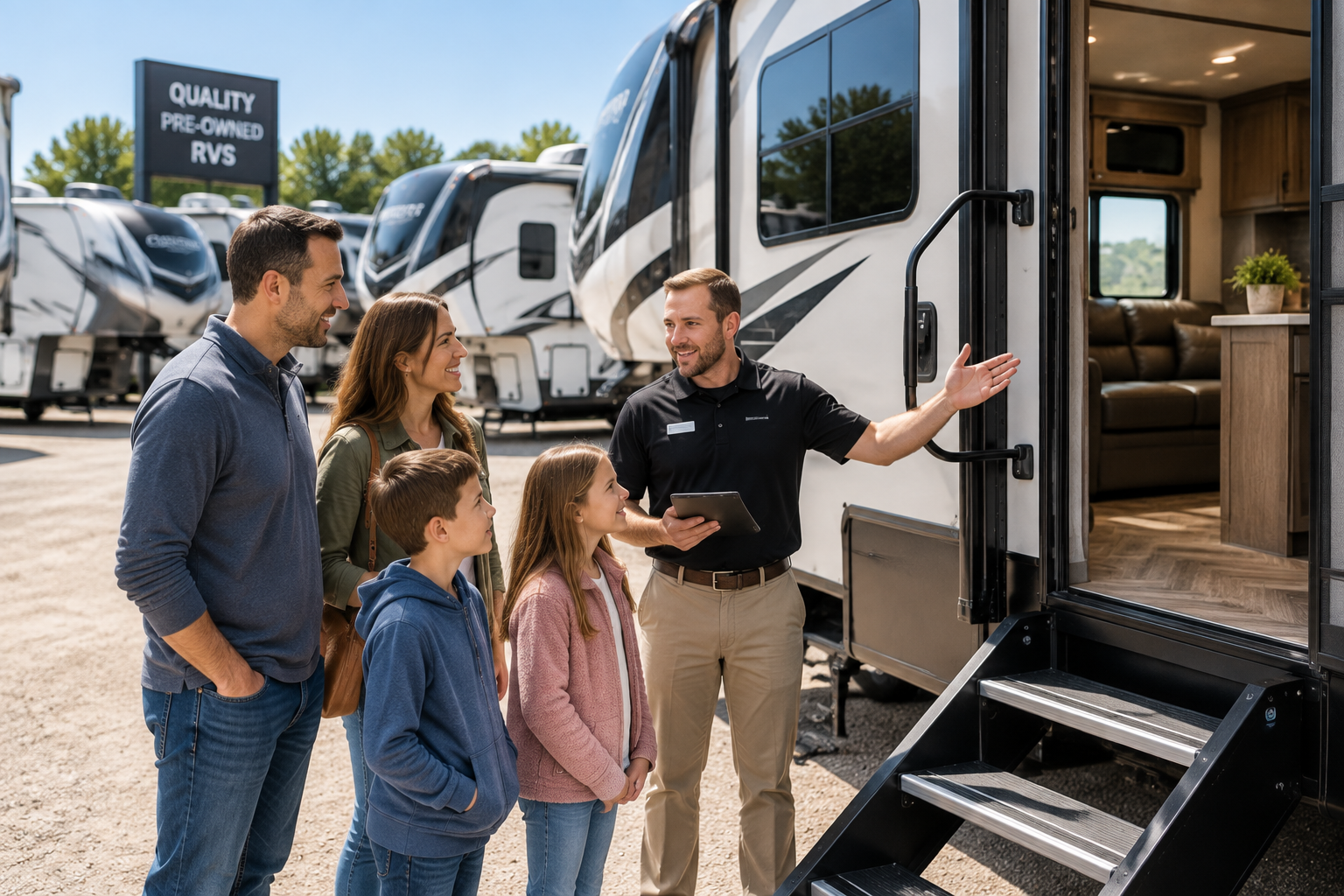
A local dealer offers accountability and support that a private sale generally can't match. When you buy from a private seller, you're taking on the full research burden yourself, with no service department to fall back on and no dealer financing to fall back on if your bank declines the loan.
A dealership that takes trade-ins typically inspects each unit before putting it back on the lot. That inspection can catch roof leaks, appliance issues, or slide-out problems that a private seller might not disclose, either because they didn't know about them or because they simply want to sell quickly.
Local dealers also carry title and lien paperwork correctly. Private RV sales sometimes run into complications with liens that weren't paid off, salvage titles that weren't disclosed, or missing documentation. A dealership handles this as part of the transaction, which reduces the risk of a paperwork problem showing up months later.
Finally, a local dealer gives you a place to go back to. If a used travel trailer develops a water heater issue three weeks after purchase, a private seller is under no obligation to help. A dealership with a service department can look at it, and many used units still carry some remaining manufacturer warranty that a dealer can help process.
Where Should You Look for Used RVs Beyond the Dealer Lot?
Local RV dealers are the most reliable starting point, but a full search usually includes a few other sources for comparison.
Dealer lots. This is the first place to check, since inventory is inspected, financing is available on-site, and staff can answer detailed questions about a specific unit's history and condition.
Dealer trade-in inventory. Many used RVs on a dealer's lot came in as trade-ins from local owners upgrading to a newer unit. These are often better maintained than units sold sight-unseen online, since the previous owner used it locally and the dealer had a chance to inspect it.
Manufacturer certified pre-owned programs. Some brands and dealers offer inspected, certified used units with a limited warranty. This is worth asking about directly, since not every dealer advertises it prominently.
Online marketplaces and classifieds. Sites like RV Trader or Facebook Marketplace list private-seller and dealer units together. These can widen your search, but private listings require you to handle inspection, paperwork, and financing entirely on your own.
RV shows and consignment events. Local dealers sometimes host seasonal RV shows featuring a mix of new arrivals and used trade-ins at promotional pricing, which can be a good time to compare several units in one visit.
For most buyers, starting with a local dealer's used inventory and expanding to other sources only if needed gives the best balance of selection and safety.
What Should You Check Before Buying a Used RV?
Before committing to a used RV, whether from a dealer or another source, run through this checklist.
Roof and seal condition. Check for soft spots, cracks, or previous repairs around the roof and slide-out seals. Water damage is one of the most expensive problems to fix and one of the easiest to miss on a quick walkthrough.
Appliance function. Test the air conditioning, furnace, refrigerator, water heater, and generator if equipped. A dealer service department can run these tests as part of a pre-purchase inspection.
Tires and undercarriage. Look for dry rot, uneven wear, and rust on the frame or axles. Tire age matters even if tread looks fine, since RV tires can dry rot before they wear out.
Service history. Ask for any available maintenance records. A well-documented history of oil changes, roof resealing, and slide-out servicing is a strong sign of a well-cared-for unit.
Title and lien status. Confirm the title is clean and any liens have been satisfied. A dealership handles this automatically, which is one of the clearest advantages over a private purchase.
New vs. used trade-offs. A used travel trailer or fifth wheel typically costs significantly less than a comparable new unit, but may come with an older layout, discontinued features, or a shorter remaining warranty. A new unit costs more upfront but usually includes a full manufacturer warranty and the latest floor plans and materials. Buyers on a tighter budget often find that a well-maintained used unit from a local dealer offers the better value, while buyers who want the newest features and full warranty coverage may prefer new.
What Mistakes Do Buyers Make When Shopping for a Used RV?
A few recurring mistakes show up when buyers shop for used RVs without local dealer support.
Skipping the inspection. Buyers sometimes trust photos and a phone call from a private seller without ever seeing the RV in person or having it inspected. This is one of the most common ways buyers end up with unexpected repair costs.
Ignoring the tow vehicle match. A used travel trailer or fifth wheel that seems like a great deal can strain a tow vehicle that isn't rated for its loaded weight. Confirm actual towing capacity, not just the advertised maximum, before buying.
Not asking about remaining warranty. Some used RVs still carry a portion of the original manufacturer warranty. Buyers who don't ask often miss out on coverage they're still entitled to.
Overlooking financing options. Buyers sometimes assume used RVs can only be paid for in cash or through a private loan. Many dealerships offer financing on used inventory as well as new, which is worth asking about directly.
Rushing the paperwork. Title transfers and lien payoffs on private sales can take longer than expected. A dealer purchase generally moves faster since the paperwork process is already established.
How Johnston RV Center Can Help You Find the Right Used RV
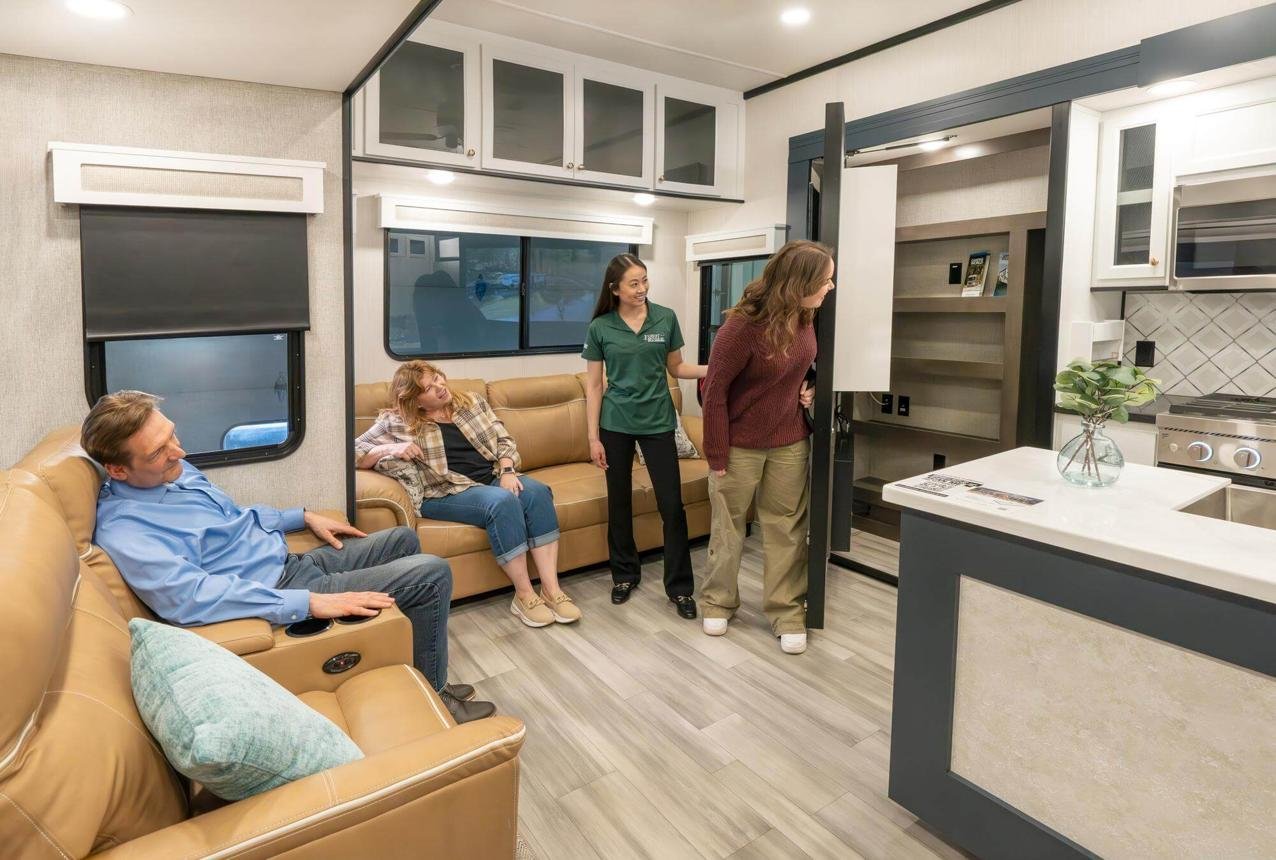
Johnston RV Center has served the Decatur and Cullman, Alabama area since 2014, when Rodney and Nick Johnston, a father and son team, took over what was formerly Hood RV Center. A second location opened in Cullman in 2016, giving buyers across North Alabama, including Huntsville, Athens, and Guntersville, two lots to compare used inventory across.
As a Better Business Bureau accredited dealer with an A+ rating, Johnston RV Center inspects trade-ins that come through both locations before they go back on the lot. Being a premier Forest River and Coachmen dealer also means the team has deep familiarity with those brands' common maintenance points, which helps when evaluating a used unit's condition and history.
Both locations include on-site service departments, so if you buy a used RV and later need routine maintenance or a repair, you don't have to find a separate shop. The team can also walk you through financing on used units, not just new ones, and can explain how trade-in value applies if you're upgrading from a current RV.
If you're comparing used travel trailers, fifth wheels, or toy haulers, browsing used inventory online is a good starting point before visiting either lot in person.
Frequently Asked Questions
Is it safe to buy a used RV from a private seller?
It can be safe, but it carries more risk than buying from a dealer. You are responsible for inspecting the unit, verifying the title is clean, and confirming any liens are paid off. Getting an independent inspection before finalizing a private purchase is strongly recommended if you go this route.
How much less does a used RV cost compared to new?
Used RVs typically cost 20 to 40 percent less than a comparable new unit, though the exact difference depends on age, condition, and brand. Older units or those with visible wear can cost significantly less, while a lightly used RV just a year or two old may only be modestly discounted from new pricing.
Do local RV dealers offer financing on used units?
Many local dealers offer financing on used RVs in addition to new ones, though terms and available lenders can vary based on the RV's age and condition. It's worth asking directly what financing options are available for a specific used unit before assuming it must be paid in cash.
What is the best way to check a used RV's condition before buying?
The most reliable approach is a hands-on inspection covering the roof, seals, appliances, tires, and undercarriage, ideally performed by someone with RV service experience. Asking for maintenance records and any available inspection report from the dealer also helps confirm the unit's history.
Can I trade in my current RV toward a used one?
Most dealers that sell used RVs also accept trade-ins toward a used purchase, not just toward new units. The trade-in value is typically based on the unit's age, condition, and current market demand, so getting an appraisal before shopping helps set realistic expectations.
Are certified pre-owned RVs worth paying more for?
A certified pre-owned RV has typically been inspected against a manufacturer or dealer checklist and may include a limited warranty, which can be worth the added cost for buyers who want extra assurance. Not every used RV needs to be certified to be a good purchase, but it's a reasonable option to ask about.
Final Takeaway
Finding a reliable used RV comes down to starting with a local, established dealer rather than relying solely on private listings. A dealership inspects trade-ins, handles title and lien paperwork correctly, offers financing on used units, and gives you a service department to turn to after the sale. Johnston RV Center's two North Alabama locations, BBB A+ rating, and long-standing family ownership reflect the kind of dealer accountability that makes a used RV purchase safer.
If you're ready to start comparing units, browse used inventory online, ask about financing, or reach out through our contact page to talk through what fits your budget and towing setup.
